
Essential Guide to Safely Accessing Top Medical Treatment in India (2025)
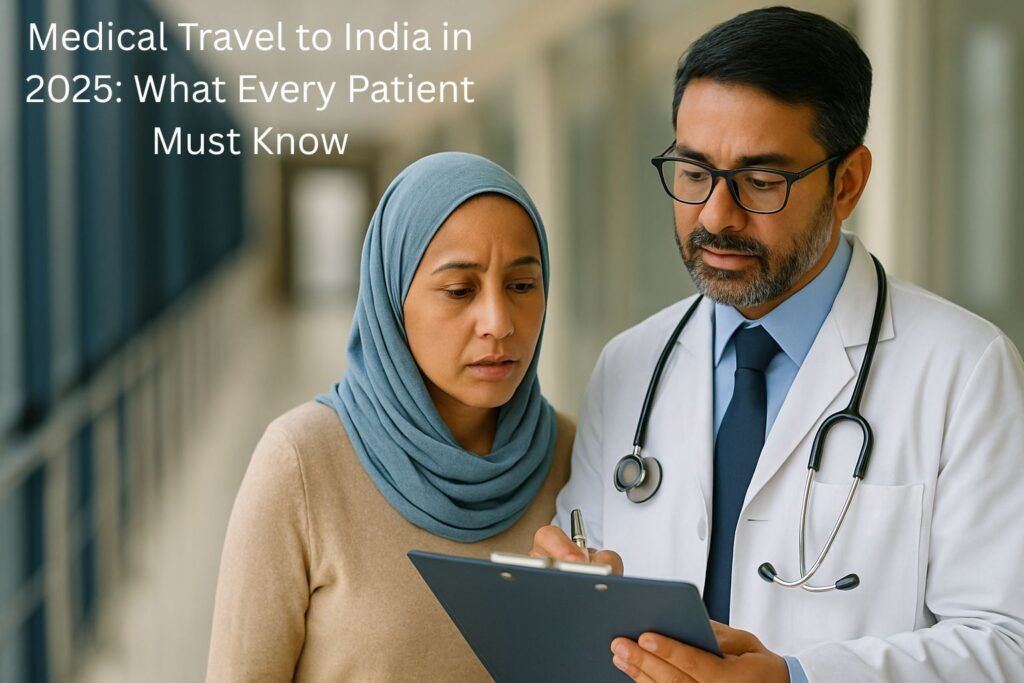
Planning medical treatment in India in 2025? Discover essential travel tips, visa info, cost details, and what international patients should expect from Indian hospitals. If you are considering visiting India for medical treatment in 2025, here are some things to bear in mind. India’s increasing popularity as one of the world’s premier medical tourism hubs is drawing thousands of patients per month from nations such as Nigeria, Iraq, Kenya, Uzbekistan, and Bangladesh. Although the prospect of well-priced, high-quality care is indeed enticing, most patients are left somewhat unprepared for the whole experience of having medical treatment overseas. This manual is here to offer you practical and insightful tips geared towards international patients thinking about undergoing treatment in India. We’ll address all you need to do, from the paperwork required to learning about cultural disparities, hospital coordination, and recovery planning after treatment. 1. Familiarize yourself with the Indian Healthcare System before you arrive In contrast to some Western healthcare systems that enable a general practitioner (GP) to refer patients to specialists, India facilitates direct specialist access. This implies: Prior to your trip, ask for the hospital treatment plan and estimate so you know exactly what services will be offered and what the cost range will be. 2. Bring Documents in Advance To have a smooth experience, bring along the following documents: Make sure your e-Medical Visa application is complete. Numerous patients make the mistake of seeking a tourist rather than a medical visa, which may postpone or make treatment more difficult. 3. Accompany a Travel Companion—but Understand Their Role The majority of patients can bring one attendant with them, which is allowed under the policy of Indian e-Medical Visa. Your companion might not always get to enter the operating theatre or ICU but will usually be granted entry into waiting areas, food courts, and lounges. For prolonged situations such as cancer or transplant, hospitals might assist in affordable stay alternatives close by for attendants. 4. Language, Culture & Food: What to Expect Language: English dominates in Indian hospitals, but regional accents and fast speech might be a problem for some. Most big hospitals offer translators for Arabic, French, Russian, or African languages, particularly in metro cities like Delhi and Chennai.Cultural standards: Indian medical professionals are courteous but professional. Don’t think twice if your physician responds in short but direct sentences; it is not impolite but efficient.Food: Most Indian hospitals provide personalized diet plans. If you are from a country with varying eating habits (e.g., Halal, vegan, diabetic diets), give the hospital advance notice. You can also carry packaged meals from your country. 5. Payment Models: Understanding the System Indian hospitals typically have a prepaid model: International bank transfers, debit/credit cards, and occasional cash (with restrictions) are accepted by most hospitals. Explanation on this beforehand avoids surprise at the last minute. 6. Treatment Duration vs. Stay Duration It is common for patients to grossly overestimate the overall duration of stay. For example: Treatment Type Hospital Stay Suggested Stay in India Heart Bypass Surgery 7–10 days 15–20 days (including recovery) IVF Cycle OPD visits for 10–15 days 25–30 days Cancer Chemotherapy Day care or 3–5 days cycles Repeats many times Organ Transplant 10–20 days hospital stay 45–90 days Follow-up reviews, recovery, and diagnostic tests may consume extra days, so book your tickets accordingly. 7. Leverage Technology for Pre-Consultation India’s best hospitals now conduct video consultations before you leave. Make the most of this by: Teleconsultation platforms or facilitators can schedule these for you easily. This saves uncertainty and avoidable costs. 8. Post-Treatment Follow-up: Think Long-Term After you get back home, follow-up is the key. Indian doctors typically provide: Ensure your treatment provider provides online follow-up consultations. Some facilitators and hospitals have specialized international follow-up teams who can attend to this through WhatsApp, email, or video calls. 9. Legal and Ethical Principles India has a strict regulatory system for: Always go through a licensed hospital or facilitator to avoid legal complications. 10. Selecting the Right City: Align Your Treatment with the Region Not all cities provide all treatments. Here’s an overview: City Specialized In Delhi Cancer, Cardiology, IVF, Orthopedics,Oncology Mumbai Transplants, Oncology, Plastic Surgery Chennai Fertility, ENT, Cardiac Surgery Hyderabad Gastroenterology, Nephrology, Urology Bangalore Neurosurgery, Spine, Robotic Surgery Select a city not only due to hospitals but also due to your connectivity by flights, climate, and cultural inclinations. Final Thought: Plan Smart, Heal Better Medical tourism is not merely finding cheap healthcare—it’s about planning smart, selecting sensibly, and recuperating completely. As India dominates the medical tourism sector globally, well-informed patients stand to gain the most. Whether you’re considering India for fertility treatment, heart surgery, cancer care, or advanced diagnostics, knowing what to expect ensures a safe, comfortable, and successful medical journey.